Optimal Timing for Antique Mirror Restoration
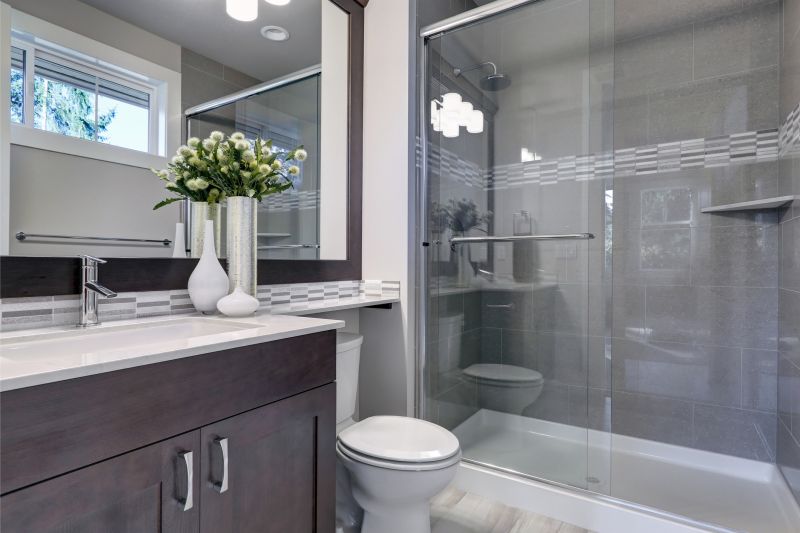
Spring offers ideal conditions for restoration due to moderate humidity and stable temperatures.
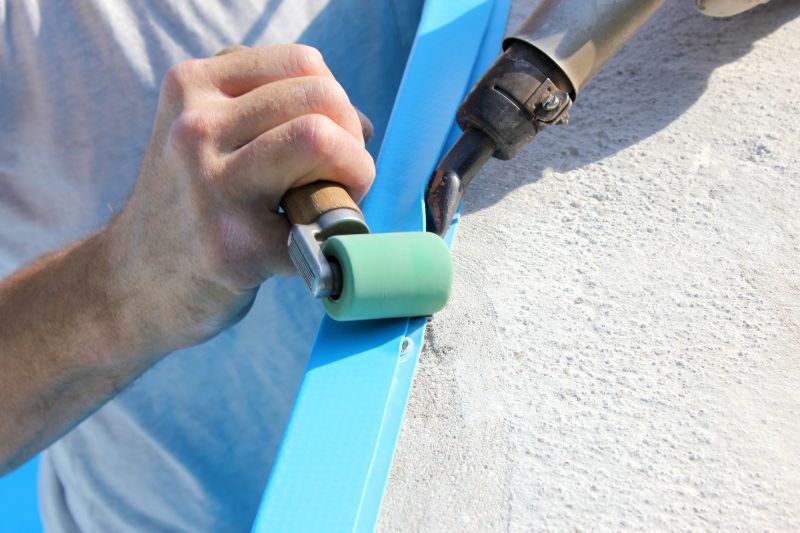
Summer may be suitable for outdoor work, but high temperatures can affect materials and adhesives.
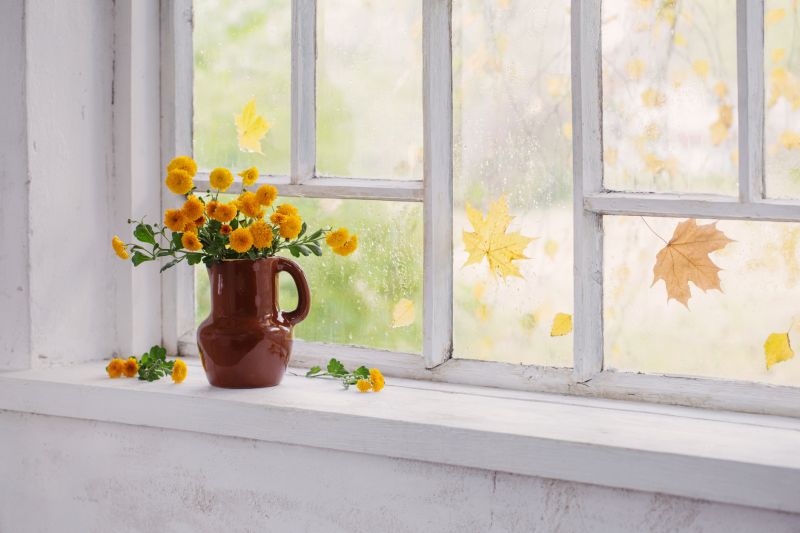
Autumn provides cooler weather and lower humidity, reducing risks of moisture damage.
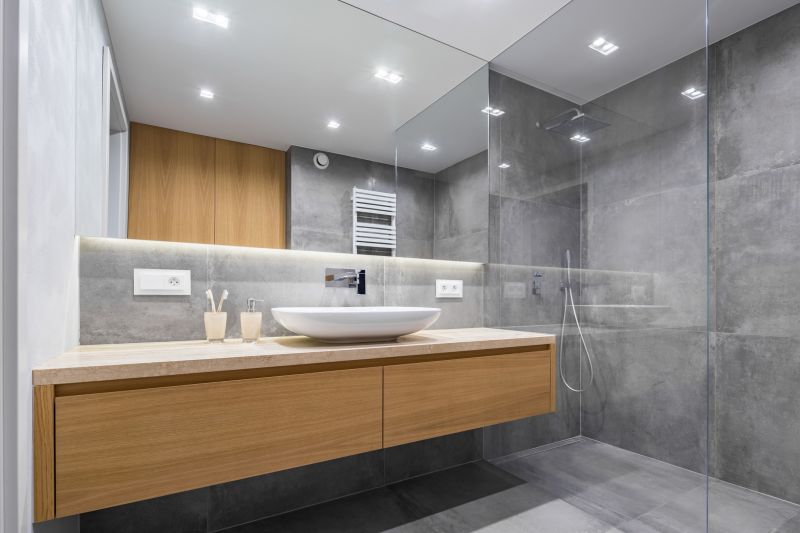
Ways to make Antique Mirror Restorations work in tight or awkward layouts.
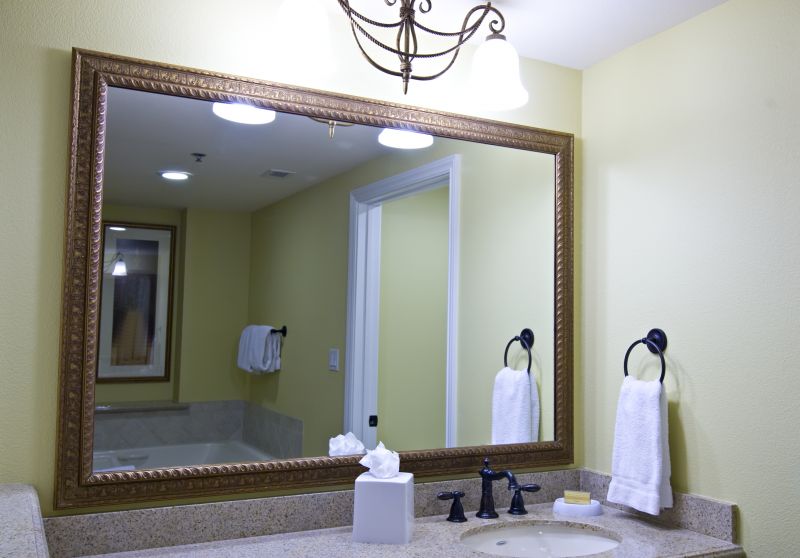
Popular materials for Antique Mirror Restorations and why they hold up over time.
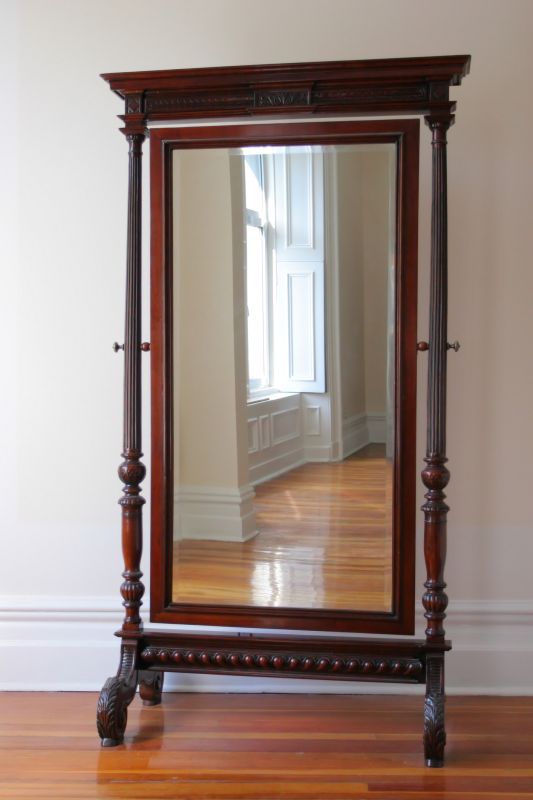
Simple add-ons that improve Antique Mirror Restorations without blowing the budget.
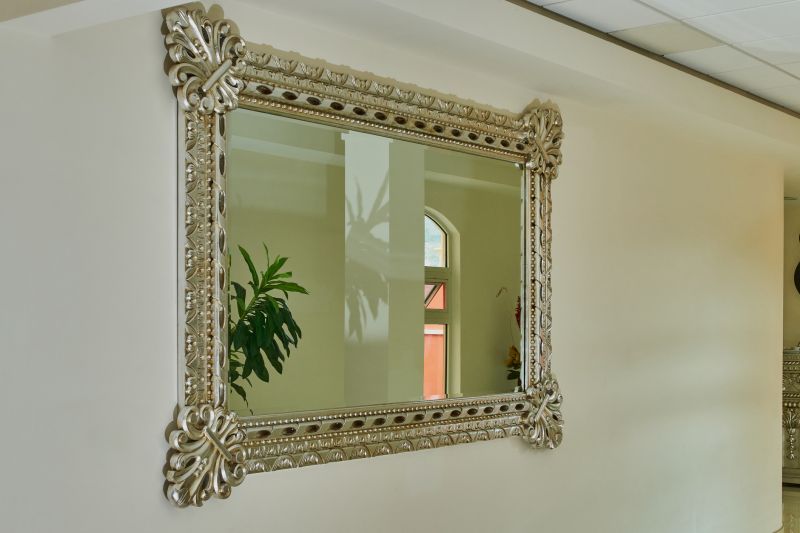
High-end options that actually feel worth it for Antique Mirror Restorations.
Finishes and colors that play nicely with Antique Mirror Restorations.
Antique mirror restorations require careful timing to ensure optimal results. Environmental conditions such as temperature and humidity significantly influence the success of restoration efforts. Restoring mirrors during periods of stable climate minimizes the risk of warping, cracking, or deterioration of delicate materials. Proper timing also allows for thorough planning and preparation, which can lead to higher-quality results and preservation of the mirror's historical integrity.
Maintaining consistent temperature and humidity levels is crucial during restoration to prevent further damage.
Restoring when materials are stable reduces the risk of future deterioration.
Scheduling restorations during optimal seasons allows for better planning and execution.
Timing restorations appropriately helps preserve the mirror's original features and value.
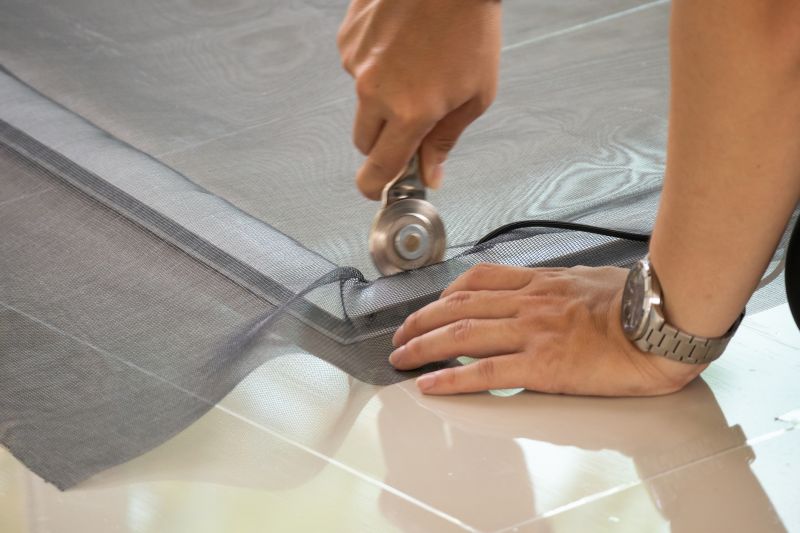
Technicians carefully remove and repair damaged mirror surfaces.
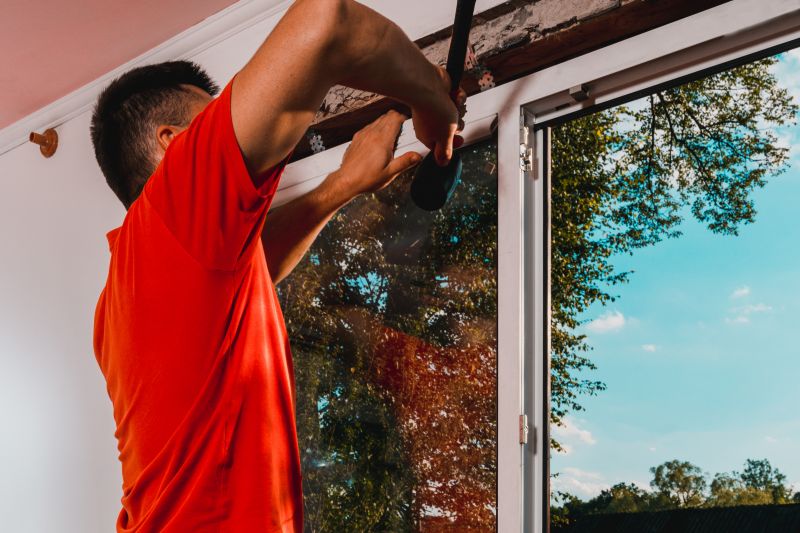
Cleaning old glass and restoring frame details are key steps.
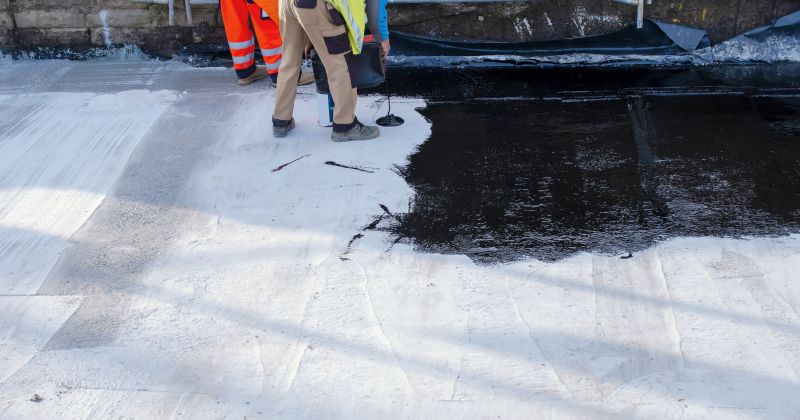
Applying protective layers during optimal weather conditions extends longevity.
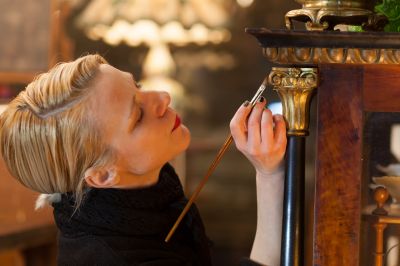
Restorations are completed with attention to detail for authenticity.

Little measurements that prevent headaches on Antique Mirror Restorations day.

A 60-second routine that keeps Antique Mirror Restorations looking new.
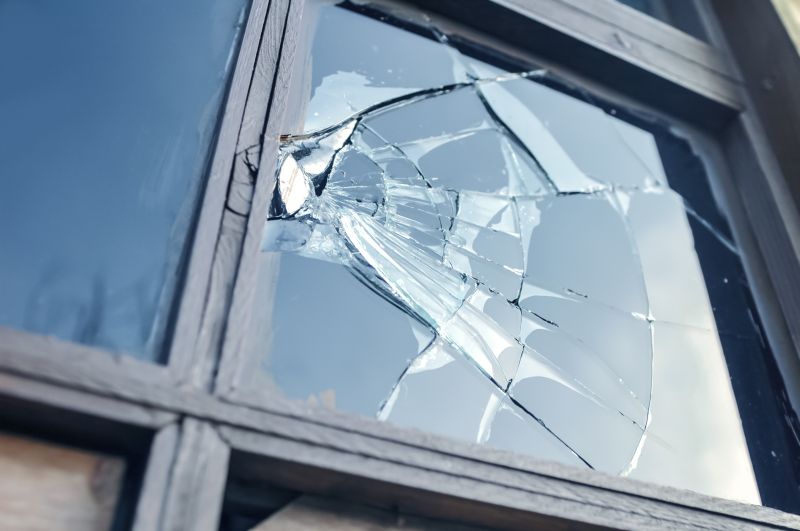
A frequent mistake in Antique Mirror Restorations and how to dodge it.
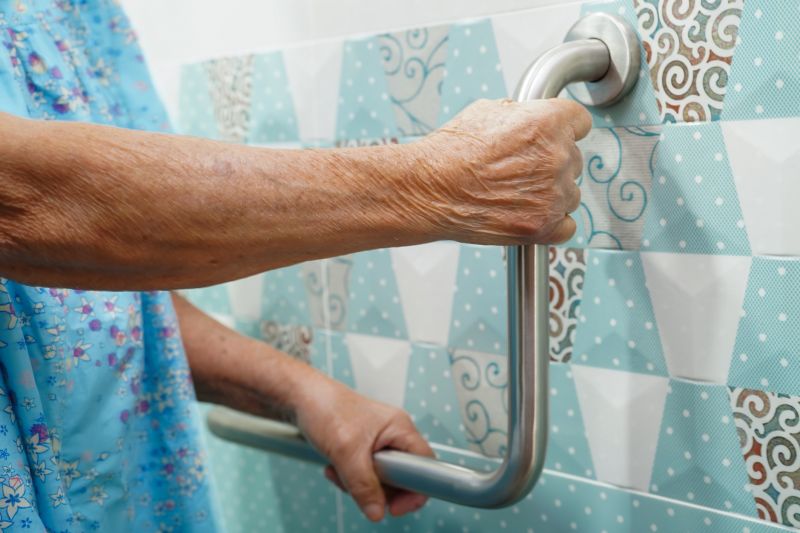
Small tweaks to make Antique Mirror Restorations safer and easier to use.
| Season | Ideal Restoration Conditions |
|---|---|
| Spring | Moderate humidity, mild temperatures, good for detailed work |
| Summer | Potentially high temperatures, best for outdoor projects |
| Autumn | Cooler, stable environment, ideal for preservation |
| Winter | Low humidity, but cold temperatures may hinder certain processes |
| Late Fall | Optimal for indoor restorations due to stable conditions |
Understanding the optimal timing for antique mirror restorations ensures the preservation of their historical and aesthetic value. Proper environmental conditions support the longevity of repairs and prevent future deterioration. Consulting with restoration professionals can help determine the best season for specific projects based on local climate patterns.
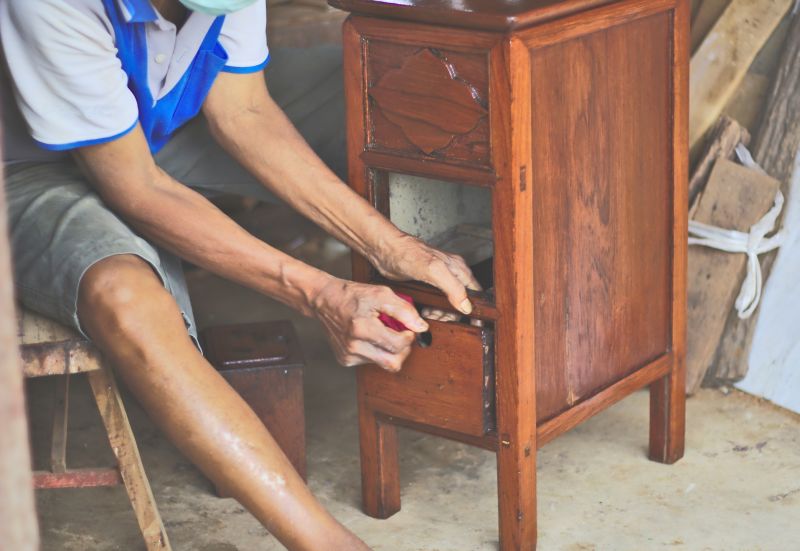
A controlled environment for delicate mirror repairs.
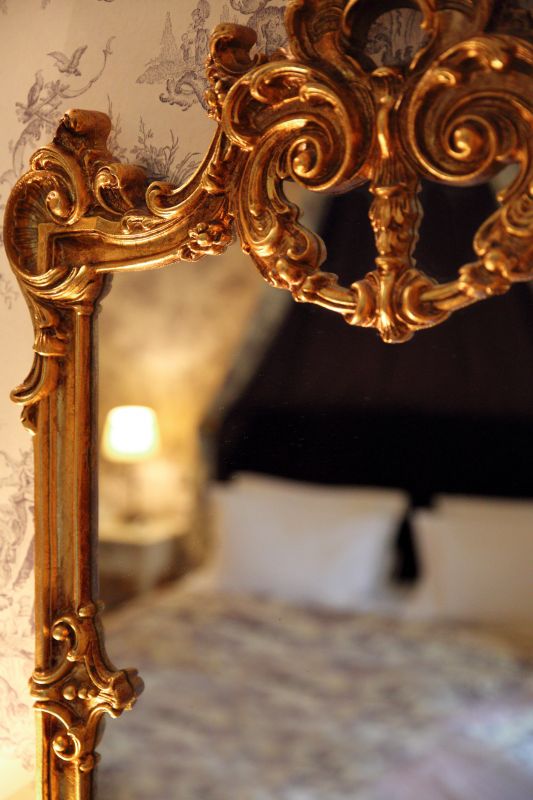
Restorers carefully address surface damage and frame details.
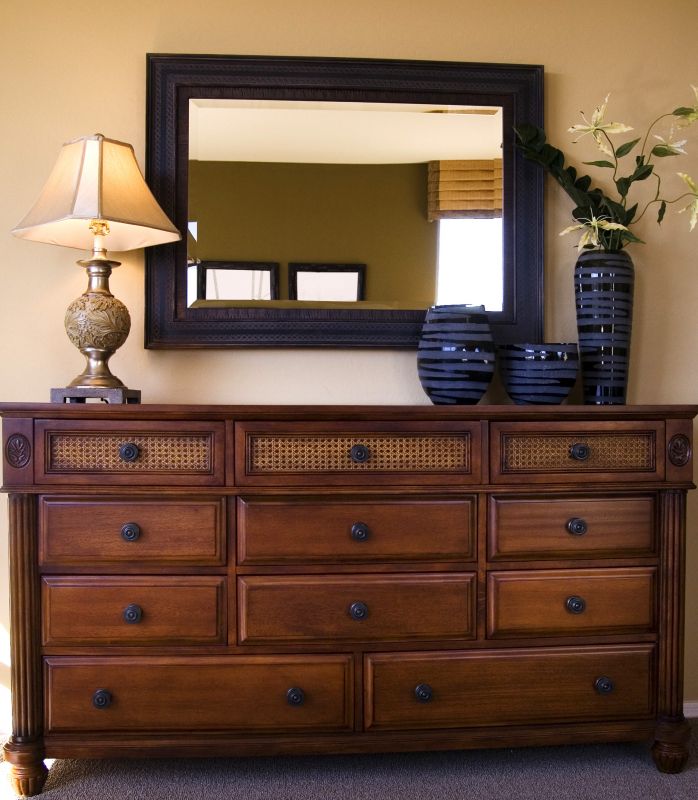
Using period-appropriate methods during ideal conditions.
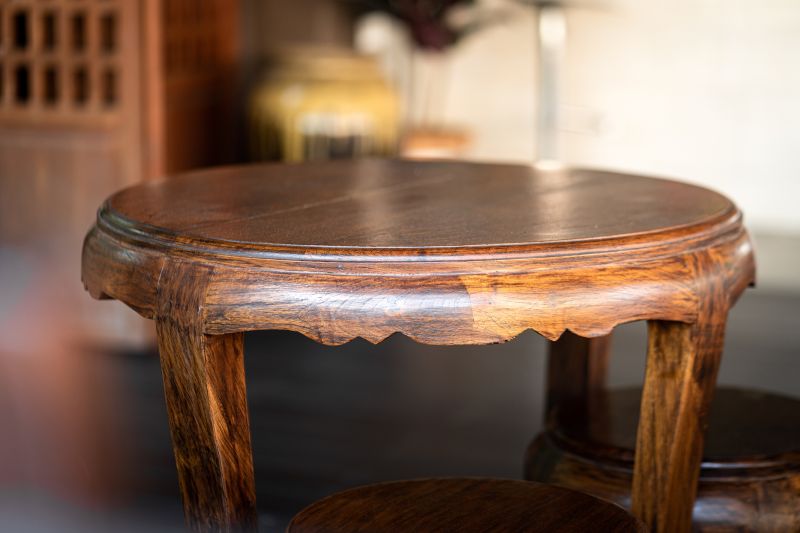
Ensuring restoration quality before completing the project.
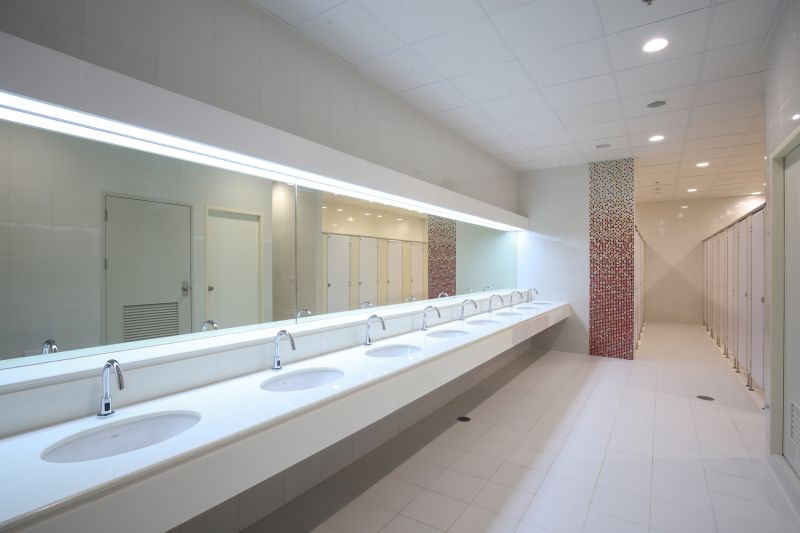
Lower-waste or water-saving choices for Antique Mirror Restorations.
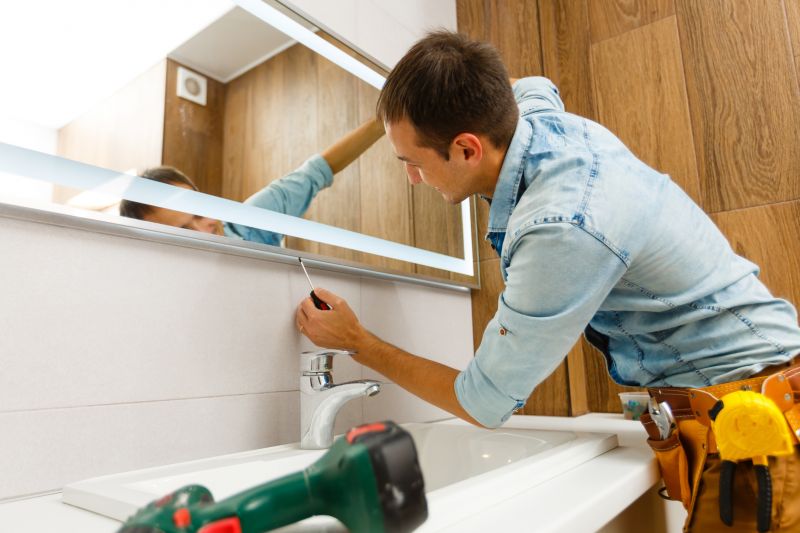
The short, realistic tool list for quality Antique Mirror Restorations.
Rough timing from prep to clean-up for Antique Mirror Restorations.

Quick checks and paperwork to keep after Antique Mirror Restorations.
Choosing the right time for antique mirror restoration can significantly impact the durability and appearance of the finished piece. Restoration professionals recommend scheduling projects during seasons with stable environmental conditions, typically spring or autumn, to optimize results and ensure the preservation of the mirror's original features.
Interested in restoring antique mirrors? Fill out the contact form to discuss options and scheduling.
Professional care ensures the preservation and enhancement of antique mirrors.